Pacifiers (Soothers)
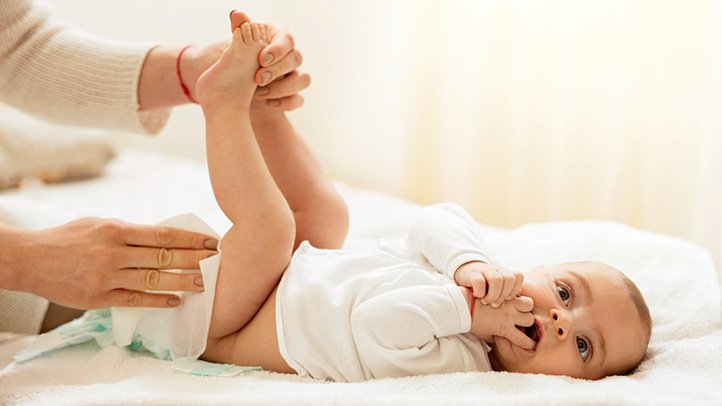
Babies are born wanting to suck. Some even suck their thumb or fingers before they are born — it's a natural behaviour that allows them to feed and grow, and it's also comforting and helps babies settle.
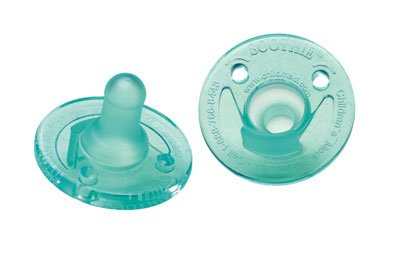
If your baby seems to want to suck in between feedings, a pacifier can help. But it should never be used instead of feeding, and it should never be used without the extra comfort and cuddling a parent can provide.
What are the advantages of using a pacifier?
You can control the use of a pacifier, but it's harder to control thumb sucking — when it's time to stop, you can throw a pacifier away; you can't throw away a thumb. Several studies suggest that using a pacifier during the first year of life decreases the risk of sudden infant death syndrome (SIDS).
Used incorrectly, though, a pacifier can lead to problems with breastfeeding, teeth (cavities and overbite), and possibly ear infections. Homemade pacifiers, sweetened pacifiers, or pacifiers tied around a baby's neck are not safe and could lead to injury or death. If you choose to use one, use it wisely and safely.
Getting started safely
- It's best not to start using a pacifier until breastfeeding is going well — talk to your doctor or lactation specialist if you feel your baby needs one earlier. One exception is premature or sick babies in hospital, who can benefit from one for comfort.
- Always check whether your baby is hungry, tired or bored before giving him a pacifier — try solving these first.
- Sterilise the pacifier in boiling water for 5 minutes before first use, and make sure it's completely cooled before giving it to your baby. Wash it with hot, soapy water after each use — never "clean" it by sucking on it yourself, as this spreads germs.
- Always check for cracks or tears before giving it to your baby, and throw it out if you find any. Avoid giving a pacifier right after medicine like a pain reliever, antibiotic or vitamins, since some of these can break down the material.
- Replace the pacifier every two months.
Safety rules
- Never dip the pacifier in sugar or honey — it will hurt your baby's teeth, and honey can cause botulism, a type of food poisoning.
- Never tie a pacifier around your baby's neck — this can cause strangulation and death. Use clips with short ribbons instead, sold wherever you buy pacifiers.
- Never make your own pacifier out of bottle nipples, caps or other materials — these can cause choking and death.
- Don't let your older child crawl or walk around with a pacifier, and never let a child chew on one — it could break down and cause choking.
- Use the pacifier only when your child needs comfort. Using it all day can affect his ability to learn to talk and cause problems with teeth.
Helping your child give it up
- Limit use to sleep time and comfort, and plan to give it up by 4 years of age to prevent dental problems — around the same age most children start school and need other coping strategies.
- Never use punishment or humiliation to force your child to give up a pacifier.
- Include your child by asking him to throw it away, or leave it under the pillow for the "soother fairy" — especially helpful for older children. A reward chart can help mark her progress.
- Praise your child when she gives it up — tell her you're proud she's growing up, with lots of hugs and cuddles.
- Allow your child to express his feelings. If he's upset or angry, give him special cuddles to help him cope.
- If your child asks for the pacifier again — and she probably will — don't give in. Remind her that it's gone and that she's grown up now.

Dr. Shafeeq Ahmed S.M
Pediatrician, child psychologist, parenting coach, and career & life counsellor with over 20 years of experience. Read full bio →